One unexpected field was losing LazyHat's customers
A research-led checkout redesign for a small e-commerce brand
Role
UX/UI Designer (with a fellow designer)
Industry
E-commerce
Duration
3 weeks

Tools: Figma | Miro | Claude | Google forms
An unexpected mandatory field was stopping customers at LazyHat's checkout. We traced it, redesigned the flow, and shipped it live.
Project goal:
LazyHat's checkout was losing buyers at the most critical stage of the purchase journey. Our goal was to reduce friction, make the flow clearer and more transparent, and strengthen user trust, so that more of the people who reached checkout actually completed their order.
Problem: every buyer we tested left at the same field

Findings from 4 moderated sessions on LazyHat's live checkout. The tax code field stopped every user, but it sat on top of wider friction in the form's fields, structure and contrast. Together, these raised cognitive load and eroded confidence at the exact moment customers were ready to pay.
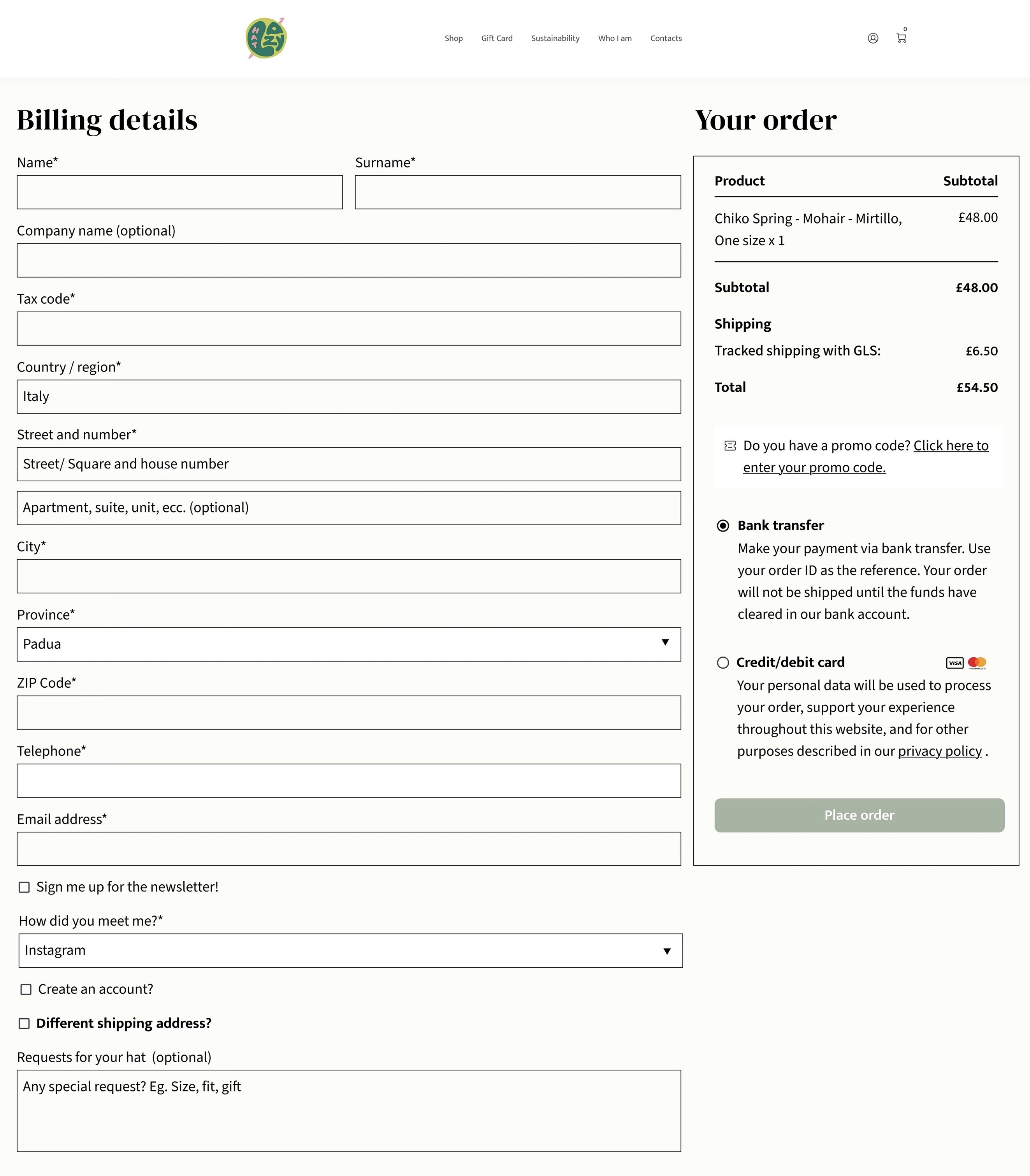
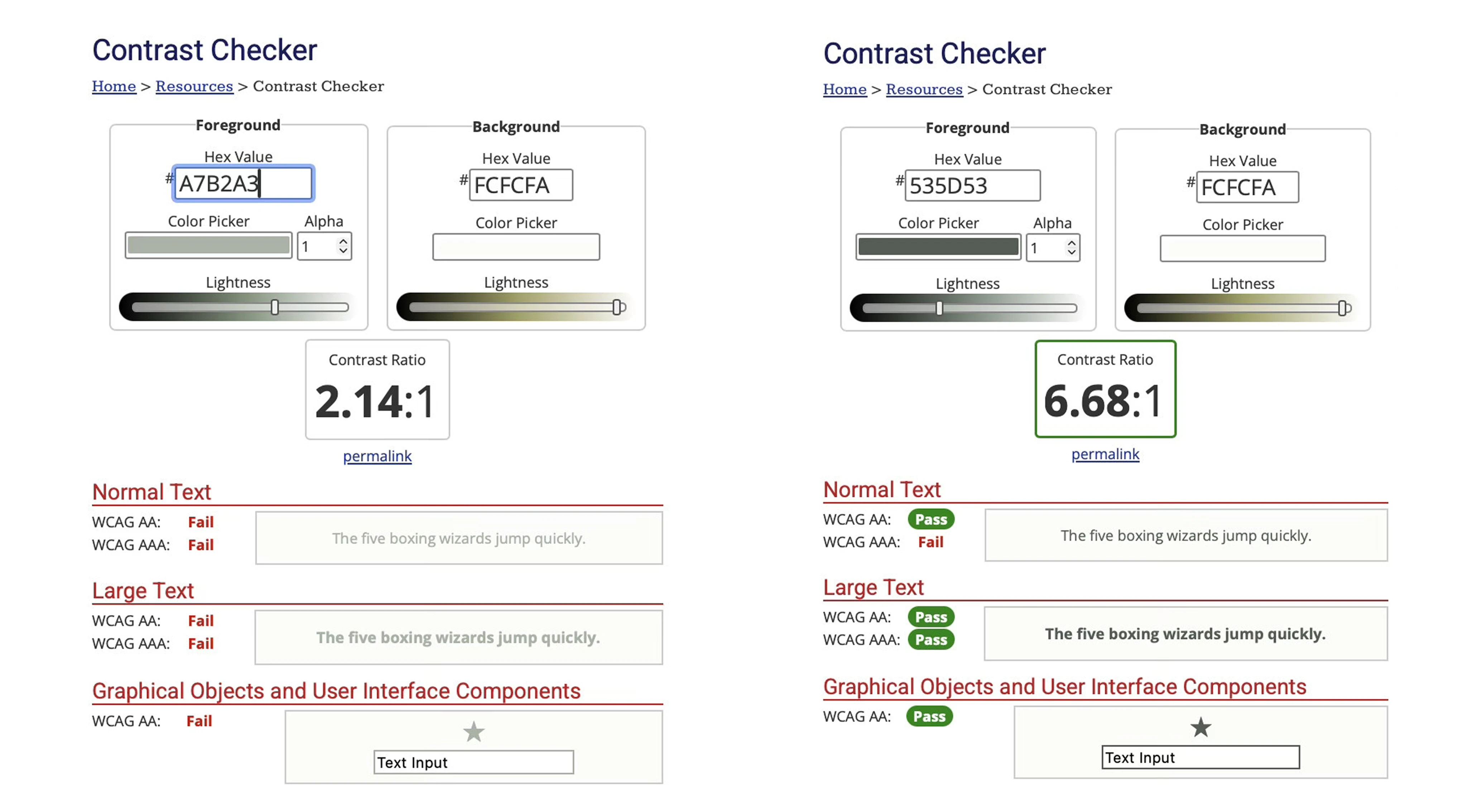
It wasn't the only friction. 3 of 4 found some mandatory fields unnecessary and disruptive, 3 of 4 struggled with an unclear information hierarchy, and 2 of 4 reported poor colour contrast. Together, these raised cognitive load and eroded confidence at the exact moment customers were ready to pay.
Challenge: fix it without analytics or direct site access
We had no access to Clarity or Google Analytics, so behavioural data wasn't available. Every change to the live site had to go through the owner. And we had 3 weeks, working as a team of two designers.
The evidence had to come from users, not dashboards.
Research: the survey told us where to look, the sessions showed us what was happening
We started with internal alignment, a stakeholder interview and a competitive analysis. These set the business context and showed us how comparable stores handle checkout.
We then surveyed 22 online shoppers about what makes them abandon a purchase:
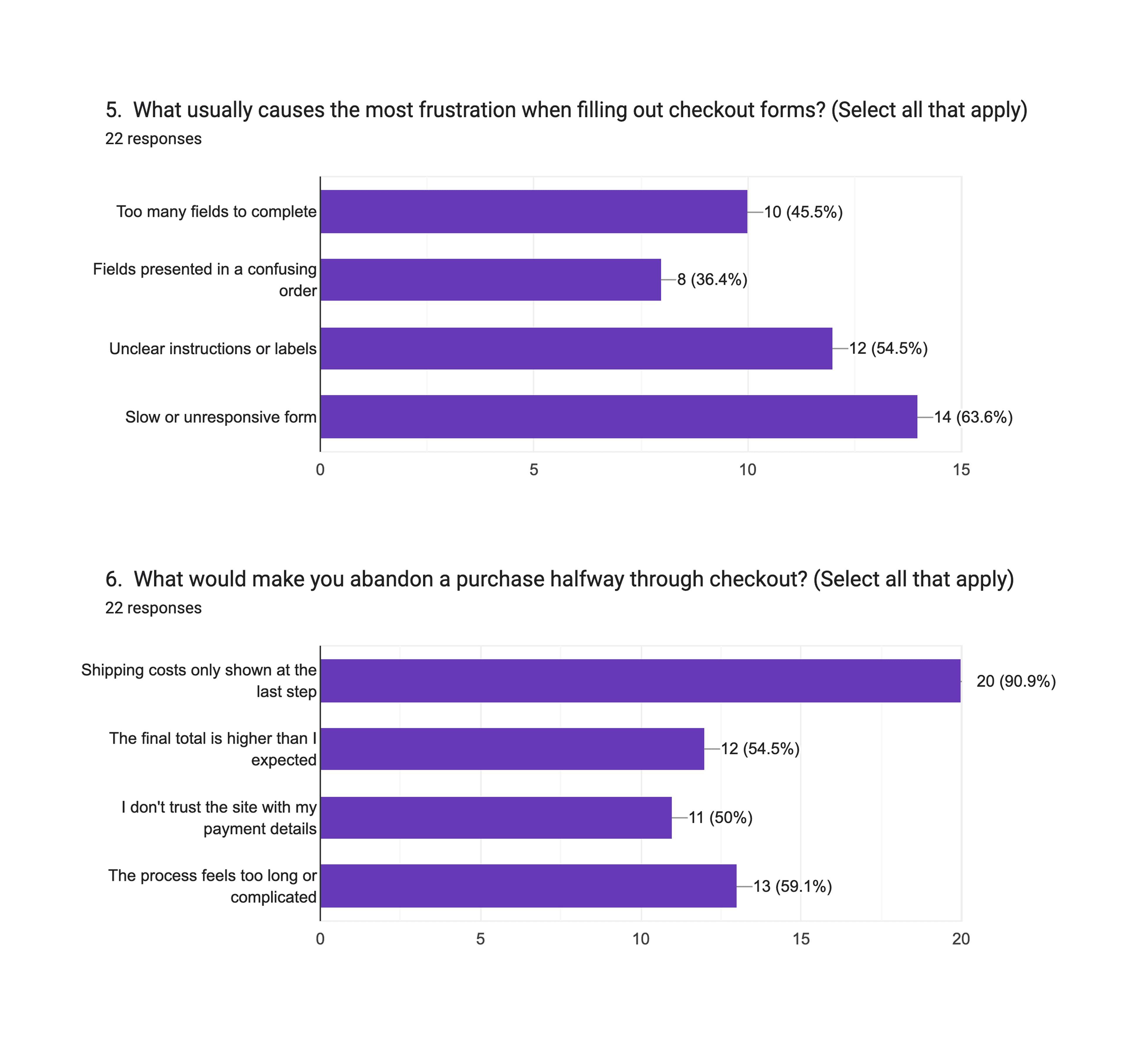

68% had abandoned a checkout because it was confusing or too complicated
64% named clear structure and hierarchy as the most important factor in a good checkout
55% were frustrated by unclear instructions or labels, and 45% by too many fields
91% would abandon if shipping costs appeared only at the last step
These patterns focused our interview questions on form structure, labels and required fields. In 4 moderated sessions on LazyHat's live checkout, users confirmed those issues. They also revealed one no survey could have predicted: the tax code field.

Solution: a shorter, clearer form that asks only for what the order needs
We focused on the data entry step, where friction was most concentrated. We moved from mid-fi wireframes to a hi-fi prototype, which the owner then implemented on the live site.
Removing the blocker
The tax code field was removed, so customers no longer hit an unexpected request right before paying.
Asking for less
Every mandatory field was reviewed against one question: does the order actually need this? Those that didn't were made optional or removed, cutting required fields.
Giving the form a logical flow
Fields were regrouped into a clear sequence, so customers always know where they are and what comes next.

Making the main action visible to everyone
With at least 2.2 billion people living with a vision impairment (WHO), the button that completes the purchase has to be readable by everyone. Ours fell short of the WCAG AA standard, so we delivered an accessibility report recommending a compliant colour.

Impact: every tester completed the new checkout
In the final usability test, all 4 users completed the redesigned checkout without friction or hesitation.
Post-launch analytics weren't available to us. The next step is to track checkout completion rate, drop-off by step, time to complete and form error rate, alongside how much customers trust the checkout.
Reflections:
What I learned
Working as a team of two on a real client project taught me to share design decisions efficiently and to work within the constraints of a live business. It also showed how much momentum depends on structuring stakeholder communication from day one.
What we'd do differently
Agree on success metrics at the start, and negotiate direct access to the site early, so implementation doesn't depend on a third party.
Other projects
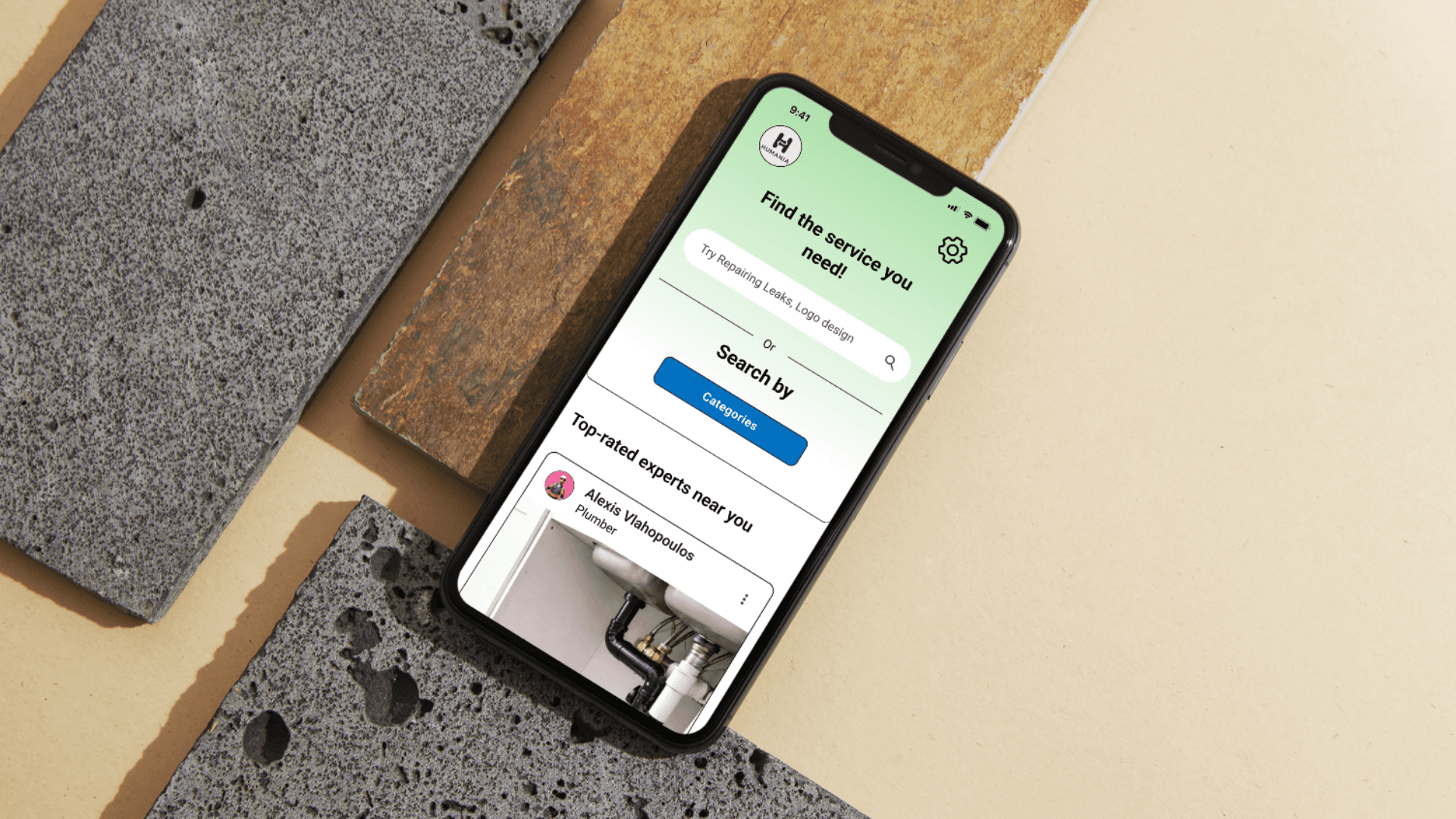
What if you could pay for a service without money?
Humania Project | UX/UI designer | 2026
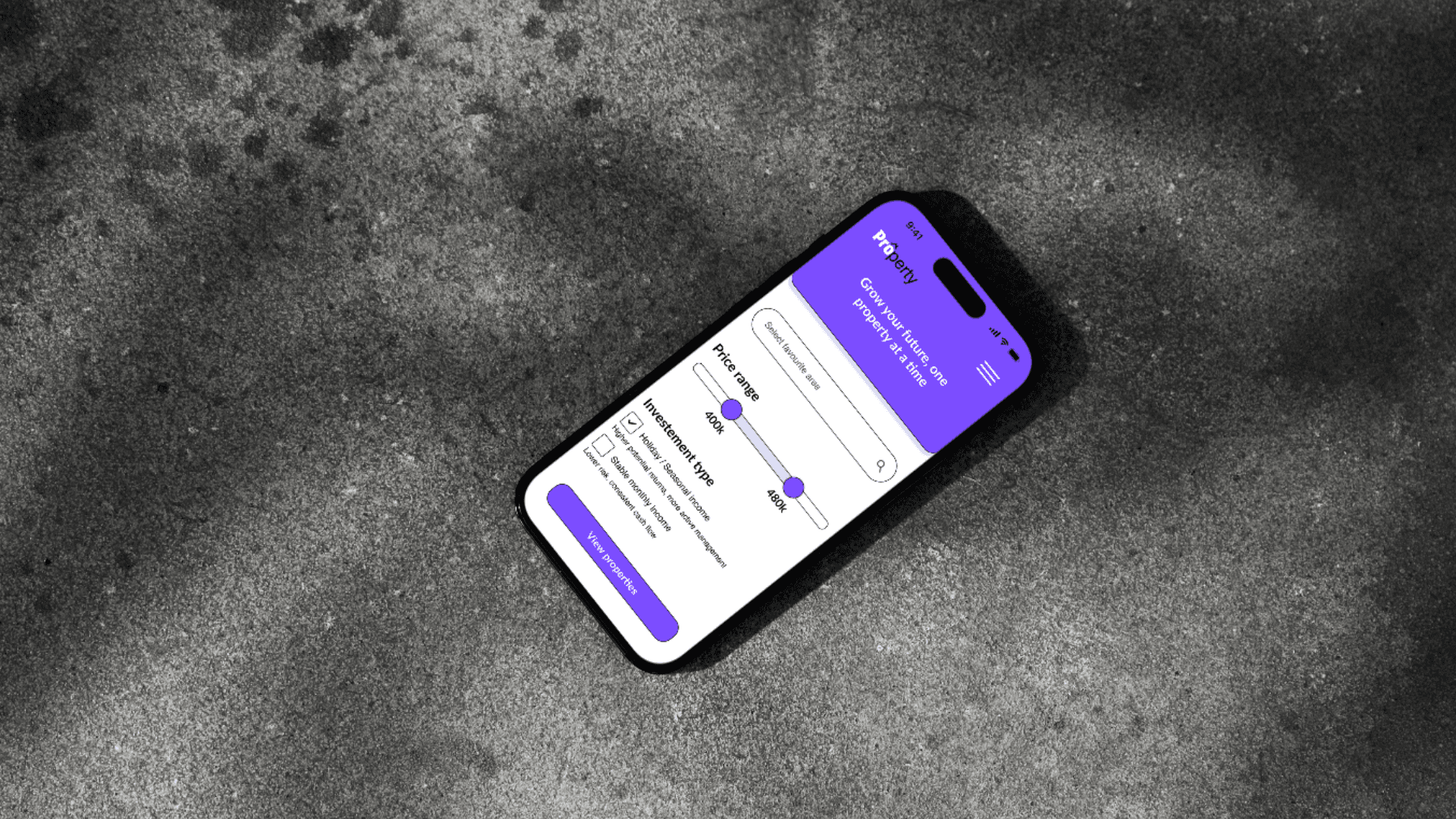
Designed Property, a responsive web app that helps first-time property investors find, evaluate, and shortlist listings with confidence
Property Project | UI designer | 2026
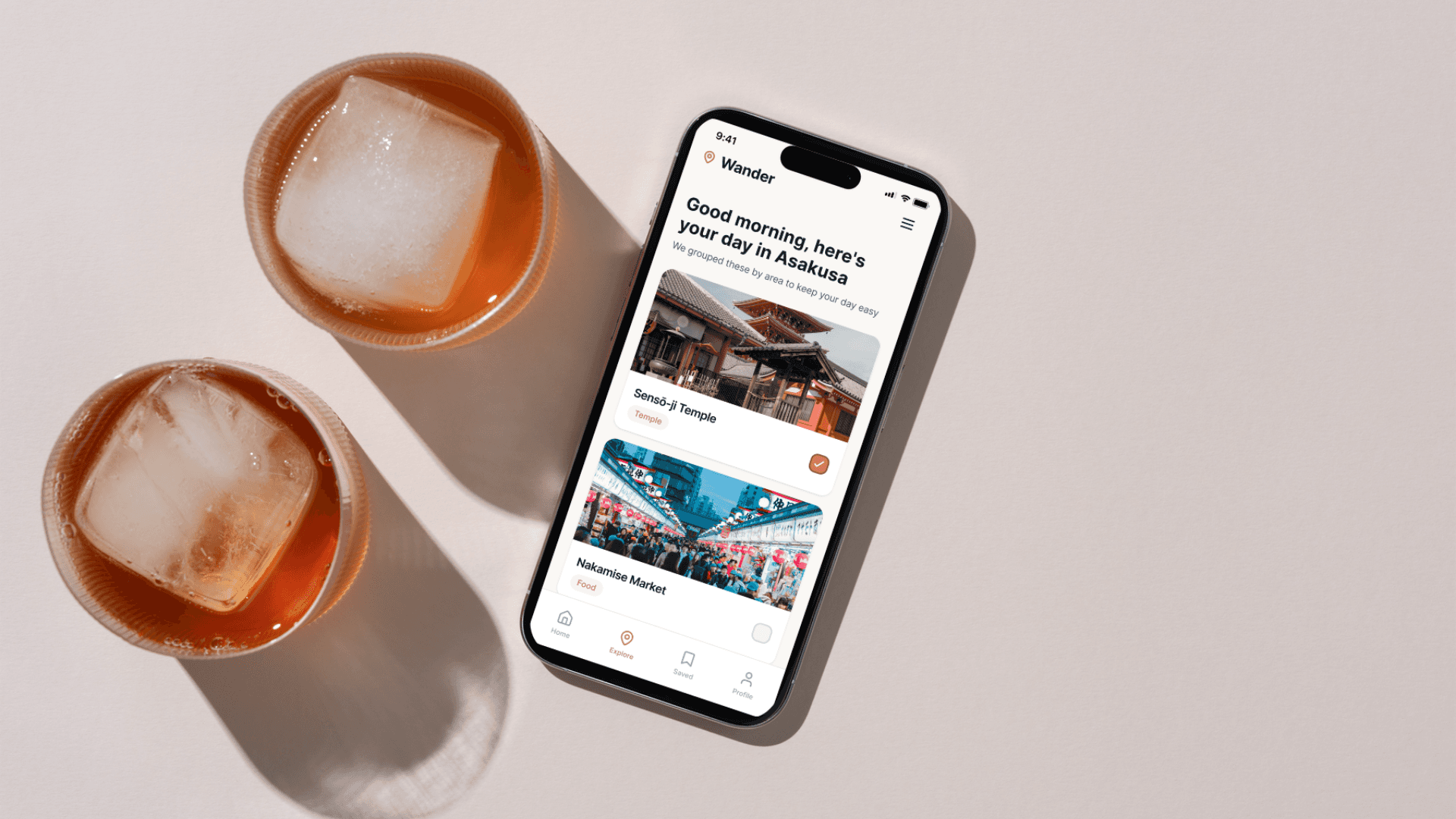
Designed a mobile travel app for independent travellers using AI as a partner across research, feature definition, and UI design
Wander | UX Designer | 2026